

What if the biggest threat to your next suburban investment isn't the interest rate, but a zoning quirk hidden in a local Cook County ordinance? It's a worry many investors have right now. With suburban office vacancy rates sitting near 24.2 percent, finding the right deal is only half the battle. You also need to make sure the paperwork holds up under pressure. That's why having a commercial real estate attorney chicago suburbs on your side is so important for handling these local nuances while protecting your bottom line.
It's true that the stakes for commercial contracts have never been higher, especially with new 2026 disclosure laws and varying tax assessments across Lake and DuPage Counties. You want a closing that happens on time without any last-minute surprises or hidden title issues. This guide will walk you through the essential steps for navigating suburban zoning, drafting protective agreements, and securing a seamless transaction. We'll look at how to turn local regulatory challenges into strategic advantages for your business.
Key Takeaways
- You'll see why the Chicago suburbs require a completely different legal strategy than city deals, especially when it comes to navigating local zoning and permit requirements.
- Working with a commercial real estate attorney chicago suburbs ensures your purchase agreements are airtight and your long-term interests are prioritized during the entire closing process.
- We'll break down the hidden clauses in "standard" commercial leases that are almost always skewed toward landlords and show you how to negotiate more balanced terms.
- Discover the critical red flags to look for in title commitments and easements that could potentially derail your suburban property investment.
- Learn how a specialized approach that blends real estate transaction expertise with litigation experience provides a much stronger safety net for your business.
Navigating the Commercial Real Estate Market in the Chicago Suburbs
Success in the suburban market requires more than just a strong balance sheet. It demands an intimate understanding of the legal fabric that binds these communities together. A commercial real estate attorney chicago suburbs serves as your strategic partner, bridging the gap between your business objectives and the often rigid local regulations. They don't just review documents; they act as your eyes and ears during the due diligence phase, identifying risks that a typical investor might overlook.
Whether you're looking at a retail strip in Northbrook or an industrial site in Lake County, the local economic landscape dictates the terms of your success. Your attorney verifies that the commercial property you're eyeing is actually fit for your intended use. They look for hidden liabilities like unpaid property taxes or restrictive covenants that could limit your future expansion. This proactive approach ensures that by the time you reach the closing table, every potential obstacle has been identified and addressed.
The Suburban Advantage: Why Local Expertise Matters
Municipalities like Northbrook, Glenview, and Deerfield operate with a high degree of autonomy. This means that "big city" legal strategies often fall flat when they encounter suburban zoning boards. A commercial real estate attorney chicago suburbs understands the specific priorities of these local councils. They've built the professional relationships necessary to navigate the permit process efficiently. This local insight is invaluable when you need a variance or a special use permit to get your business off the ground. It's about knowing the nuances of the community, not just the text of the law.
Commercial vs. Residential: Knowing the Key Differences
Many business owners mistakenly assume that a lawyer who handles residential closings can manage a commercial transaction. The reality is that the stakes are significantly higher. Commercial deals involve complex environmental Phase I assessments, intricate tax structures, and multi-layered zoning issues. A standard residential mindset isn't enough to protect a multi-million dollar investment. You need a specialized real estate lawyer for closing who can handle the specialized due diligence these deals require. Fridman Legal provides this level of scrutiny, ensuring your commercial interests are protected from the first draft of the agreement to the final signature.
Zoning, Permits, and Ordinances: The Suburban Legal Maze
If you're coming from the Chicago city market, the first thing you'll notice is that suburban rules are far more localized. Each municipality operates like its own small kingdom. What works for a storefront in the West Loop won't necessarily fly in Northbrook or Highland Park. A commercial real estate attorney chicago suburbs helps you decode these hyper-local ordinances before you commit to a lease or purchase. They identify the red flags that could halt your operations, such as restrictive covenants that limit your signage or parking requirements that don't match your business model.
Beyond the local town hall, you're also dealing with broader state regulations. For instance, understanding the Commercial Real Estate Broker Lien Act is essential for ensuring that all professional interests are properly cleared before a title transfer. These layers of bureaucracy are why due diligence in the suburbs isn't just about the building's physical condition; it's about the legal permission to exist and thrive in that specific spot.
Cook vs. Lake County: A Tale of Two Tax Systems
The county line is more than just a map marker; it's a massive shift in your financial obligations. In Cook County, commercial properties are assessed at 25 percent of their market value. Move over to Lake County, and you're looking at an effective tax rate between 2.70 and 3.20 percent of fair market value. These disparities significantly impact your long-term overhead. An attorney who understands how these assessments are calculated can provide a clearer picture of your future tax burden and help you decide if a specific location is financially viable.
Permitting and Land Use for Growing Businesses
Getting your doors open often requires more than just a standard permit. You might need a special use permit for an industrial facility or a medical suite. Your attorney handles the heavy lifting during municipal hearings, presenting your case to planning commissions that might be skeptical of new developments. A zoning variance is a formal request to deviate from current municipal land-use rules to accommodate a specific business need that the existing code doesn't allow. Having a commercial real estate attorney chicago suburbs represent you ensures these technical requests are handled with the precision required to win approval. If you're feeling overwhelmed by the paperwork, reaching out to a professional legal advisor can clarify your next steps.
Buying, Selling, or Leasing: Protecting Your Interests
Contracts aren't just formalities; they're the roadmap for your business's future. Whether you're acquiring a warehouse or leasing retail space, a commercial real estate attorney chicago suburbs ensures the fine print doesn't lead to a financial dead end. Most people assume a "standard" agreement is neutral, but in the commercial world, these documents are almost always drafted to favor the party with the most leverage. If you're a buyer, you need to know that your earnest money is protected; if you're a seller, you want to walk away from the closing table without worrying about future liabilities.
Title examinations are another area where precision matters. A title commitment might reveal an obscure easement or an old mechanic's lien that you didn't see coming during your initial walkthrough. Resolving these effectively requires a deep dive into the property's history to ensure a clean transfer. All of this happens within the legal framework of the Illinois Real Estate License Act of 2000, which sets the ground rules for how these transactions are managed across the state. Without a clear title, your investment is essentially on shaky ground.
Commercial Lease Negotiations for Tenants
Triple-net (NNN) leases are common in the suburbs, but they're often packed with hidden costs that can drain your operating budget. You aren't just paying rent; you're often on the hook for property taxes, insurance, and common area maintenance. If you don't negotiate specific caps on these expenses, your monthly overhead can skyrocket unexpectedly. This is where a commercial real estate attorney chicago suburbs provides the most value by auditing the landlord's proposed terms against market standards. We also focus on securing tenant improvement (TI) allowances and clear renewal options to ensure your space can grow alongside your business.
The Purchase and Sale Agreement (PSA) Deep Dive
Structuring a PSA is a delicate balance of timing and risk management. You need enough time for thorough due diligence to protect your deposit, but the seller typically wants a quick, guaranteed closing. A well-crafted agreement should account for potential tax consequences and define exactly what happens if environmental issues are discovered during an inspection. Having specialized representation for commercial real estate transactions during the closing process means you have a partner who knows how to spot a predatory clause before it becomes a permanent liability. For sellers, the goal is to limit warranties and representations to the absolute minimum necessary to close the deal, ensuring a clean exit from the property.
Avoiding Costly Pitfalls: Your Suburban Diligence Checklist
The diligence period represents your primary window to uncover the reality of a property before your capital is fully committed. While you might be focused on the building's physical facade, a commercial real estate attorney chicago suburbs focuses on the legal foundation. This phase requires a methodical approach to ensure that the property's current use actually aligns with local zoning codes. It's a common mistake to assume that because a business is currently operating, it has all the necessary permits. We verify this by checking for outstanding municipal code violations or unpaid utility liens that could become your financial burden the moment the deed is recorded.
A thorough checklist for a suburban deal should always include:
- ALTA Survey: This goes beyond a basic boundary report to identify encroachments, such as a neighbor's structure crossing the property line.
- Environmental Phase I Assessment: Most lenders require this to ensure there's no soil or groundwater contamination from previous industrial uses.
- Zoning Verification: Confirming that your specific business type is allowed under the current municipal ordinance without needing a variance.
- Utility Lien Search: Ensuring there are no "hidden" debts to the village or county for water, sewer, or waste services.
Environmental assessments are particularly critical in older suburban corridors. If the site or even a neighboring property once housed a gas station or a manufacturing plant, the risk of liability is high. Skipping this step can lead to astronomical cleanup costs that you'll be legally obligated to pay as the property owner. Your attorney coordinates these reports to ensure they meet both your standards and those of your financing partner.
Title and Lien Resolution
A title commitment is a comprehensive map of every legal claim against the land. If a surprise debt surfaces at the last minute, it can stall your entire transaction. Whether the issue is a lien on home or a multi-unit commercial complex, the resolution process requires proving the debt was satisfied or negotiating a payoff at the closing table. Title insurance serves as your final safety net, protecting your investment from claims that weren't discovered during the initial search.
The Closing Process: What to Expect
A suburban commercial closing is a structured event that usually takes place at a title company office. You'll need the buyer, the seller, their respective legal counsel, and often a representative from the lending institution. Your commercial real estate attorney chicago suburbs meticulously reviews the closing statement to verify that every credit and debit is calculated correctly. They ensure that the deed is executed in the proper format for recording in Cook or Lake County and that all funds are distributed legally. If you're ready to move forward with a property, reach out to Fridman Legal to secure a partner who understands the intricacies of the suburban market.
Why Fridman Legal is the Right Choice for Your Suburban Deal
Selecting a commercial real estate attorney chicago suburbs is about more than finding a signature for a deed. It's about finding a partner who understands the local landscape and the risks that come with it. O. Allan Fridman brings nearly 20 years of experience to every deal, offering a level of personal attention that larger, city-based firms often struggle to provide. We don't just process paperwork. We look at your business as a whole to make sure your investments are built on solid ground. Based in Northbrook, we provide the direct suburban proximity you need for a fast and efficient transaction.
Our approach is rooted in the belief that a good transaction lawyer should also be a skilled litigator. This dual perspective is invaluable when you're dealing with the "tough stuff" like business debt or complex construction issues. We know how a deal can fall apart in court, so we draft your agreements to prevent those disputes before they ever start. This results-driven mindset is exactly what you need when the stakes are high and the local regulatory environment is shifting. We act as your strategic advisor, helping you navigate the complexities of suburban property law with confidence.
Beyond the Transaction: Litigation and Business Support
Legal problems don't always stop at the closing table. Our deep background in civil litigation representation allows us to spot the subtle red flags in contracts that lead to future lawsuits. If you're managing a new build or a renovation, our expertise in construction law ensures your agreements with contractors are fair and enforceable. We also help you look at the big picture by integrating your new property into a comprehensive estate planning strategy. This ensures your legacy is as secure as your latest investment, protecting your family's financial future for years to come.
Contact Fridman Legal Today
The best time to bring in a commercial real estate attorney chicago suburbs is before you sign the letter of intent. We invite you to visit our Northbrook office to discuss your specific goals. You'll speak directly with a human who understands the nuances of the local market, not a machine or a junior associate. Whether you're navigating a complex purchase or negotiating a difficult lease, we're here to provide the strategic support you need. Schedule your consultation today and let's get your next suburban deal across the finish line with no surprises.
Secure Your Suburban Commercial Future
Success in the 2026 market depends on your ability to anticipate local regulatory shifts before they impact your bottom line. We've explored how mastering the zoning differences between Cook and Lake Counties, combined with a rigorous due diligence checklist, can prevent the kind of surprises that derail an investment. Partnering with a commercial real estate attorney chicago suburbs who understands the intersection of transaction law and civil litigation provides the robust security you need to move forward with total confidence.
Fridman Legal brings nearly 20 years of specialized experience to every transaction, offering the localized expertise you'll only find in a Northbrook based firm. We don't just help you sign documents; we provide the strategic framework required to protect your long-term interests. If you're ready to close your suburban commercial deal, contact us to schedule a consultation. We look forward to helping you turn your suburban property goals into a secure and profitable reality for your business.
Frequently Asked Questions
Do I really need an attorney for a commercial real estate lease in the suburbs?
You absolutely should have an attorney review any commercial lease before you sign it. Unlike residential agreements, these contracts are almost entirely negotiable and often include triple-net (NNN) expenses that can significantly impact your monthly overhead. A commercial real estate attorney chicago suburbs ensures that your maintenance obligations, tenant improvement allowances, and renewal options are fair and protect your business's future growth.
How much are commercial real estate attorney fees in the Chicago area?
Legal fees for commercial transactions in the Chicago area vary based on the complexity of the deal and the experience of the firm. Some attorneys work on an hourly basis while others offer flat fees for standardized transaction closings. It's best to discuss your specific project during an initial consultation to get a clear and transparent understanding of the professional costs involved for your particular deal.
Can a real estate lawyer help if my business is facing financial trouble?
Yes, a lawyer with the right background can provide critical support if your business is struggling. Fridman Legal handles debt negotiation and various bankruptcy filings, including Chapter 11 for business reorganization and Chapter 7 or 13 for other situations. We help you evaluate all your legal options to protect your remaining assets and find a path forward that makes sense for your long-term goals.
What is the difference between Cook County and Lake County commercial property rules?
The primary difference lies in how your property taxes are assessed and calculated. Cook County assesses commercial property at 25 percent of its market value, whereas Lake County uses an effective tax rate that typically falls between 2.70 and 3.20 percent of fair market value. these variations have a massive impact on your annual operating budget, so you need to factor them into your initial financial analysis.
How long does a typical commercial real estate closing take in the suburbs?
Most suburban commercial closings take between 30 and 90 days from the time the contract is signed. This timeline depends heavily on how long your lender needs for financing and the depth of your due diligence, such as environmental Phase I reports or ALTA surveys. A commercial real estate attorney chicago suburbs works to keep the process moving efficiently so you don't miss your target opening date.
What happens if a title search reveals a lien on the commercial property I want to buy?
If a lien appears, the seller is generally required to clear that debt before the title can be transferred to you. Your attorney will review the title commitment to identify these issues early and coordinate with the title company to ensure all payoffs are handled at the closing table. This process ensures you receive a clean title and aren't held responsible for the previous owner's debts.
Does Fridman Legal handle commercial real estate disputes and litigation?
Yes, we provide comprehensive civil litigation representation for our clients when deals don't go as planned. Whether you're dealing with a construction dispute, a tenant-landlord conflict, or a breach of a purchase agreement, we have the experience to represent your interests in court. Our goal is always to resolve these issues efficiently while protecting your professional reputation and your bottom line.
Where is Fridman Legal located and which suburbs do you serve?
Our office is located in Northbrook, which gives us a strategic vantage point for serving the surrounding suburbs across both Cook and Lake Counties. We focus on providing personalized service to business owners in areas like Glenview, Deerfield, and Highland Park. Being based in the suburbs means we understand the specific municipal boards and zoning rules that directly impact your local property investment.
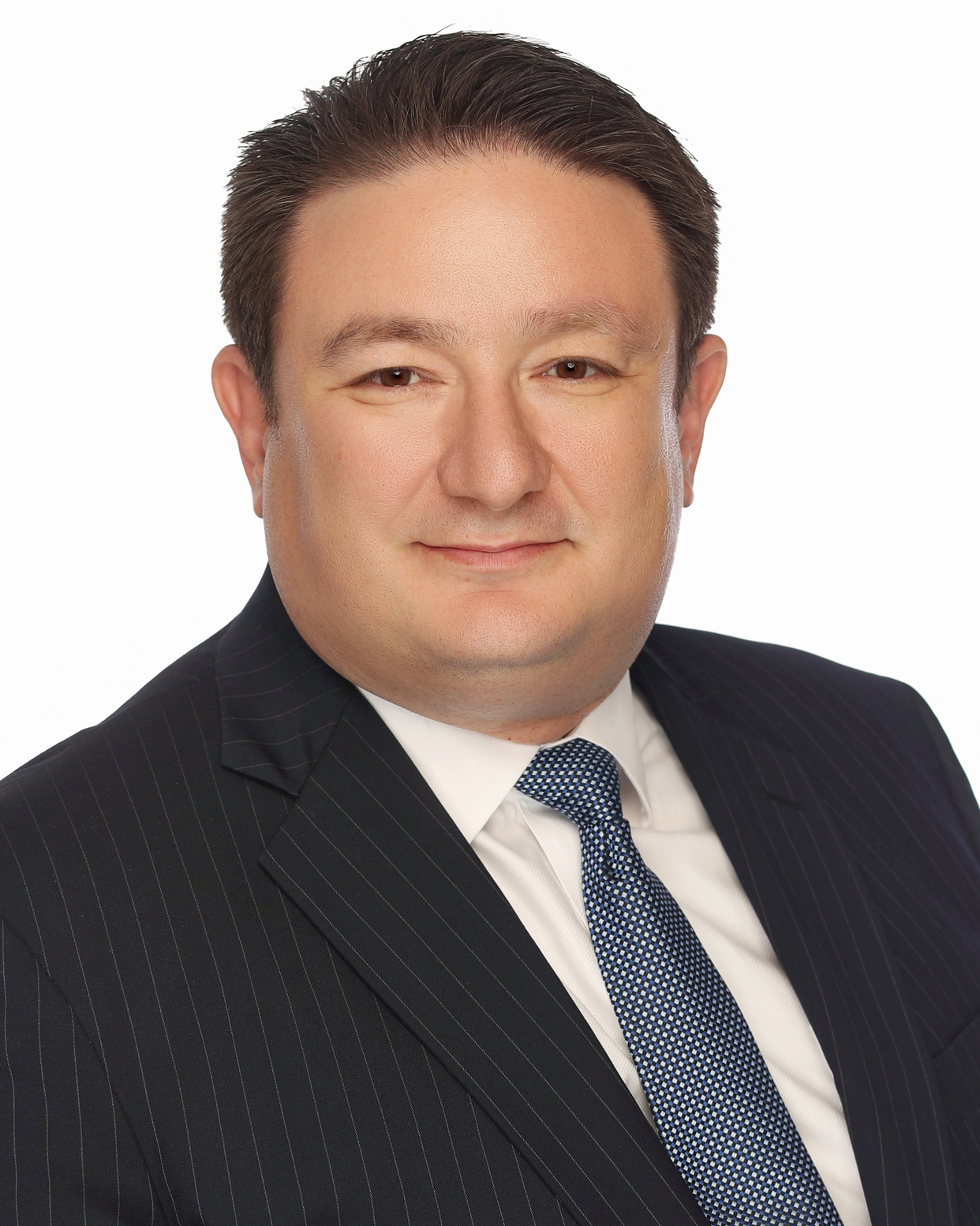
Article by
O. Allan Fridman
O. Allan Fridman has been practicing law since 2001. His practice is unique in that he does not view himself as a litigation attorney or transactional attorney. Rather, he views each area of law as a tool to pursue the best results for his clients. By practicing in both areas of law, he is able to take a 360-degree view of law. This enables the firm to catch potential drawbacks that are readily identifiable.
By practicing in litigation and transactional law and taking a holistic approach in dealing with our clients, he doesn’t put clients in box — rather, as we are all individuals, so too are the legal services we may require.
Whether it is bankruptcy or litigation or transactional, each client brings challenges and does not fit in any one box. Often times, bankruptcy clients end up not filing bankruptcy because we can achieve a better result through litigation or through an out-of-court resolution with the lender, or through a real estate sale. On the other end of the spectrum, a litigation client with multiple issues and lawsuit may fare better in a bankruptcy.
Since 2001, Allan has practiced in states and federal court, and he is a member of the trial bar of the Northern District of Illinois and admitted in the Northern District of Indiana.
We are a debt relief agency. We help people file for bankruptcy relief under the Bankruptcy Code
The materials on this site are for informational purposes only and do not constitute legal advice. Viewing this site or contacting us does not create an attorney–client relationship, and you should not act or refrain from acting based on any information here without seeking professional legal counsel.


